‘His eyes held mine and I fixed on him. From then on I couldn’t be where he wasn’t – he was everything to me’
Aristocrat on love for ‘Black and queer’ man who raised her
By Sally McDonald • smcdonald@sundaypost.com
When she was dumped into his arms, with the instruction to care for the infant, their eyes locked. Right then and there, in the middle of segregated 1930s Kentucky, a land of lynchings, the Ku Klux Klan, and racial abuses too heinous to comprehend, an unbreakable lifetime bond blossomed.
Baby Jane Gordon grew to become the wife of Scottish aristocrat James Stuart, brother to the late 20th Earl of Moray.
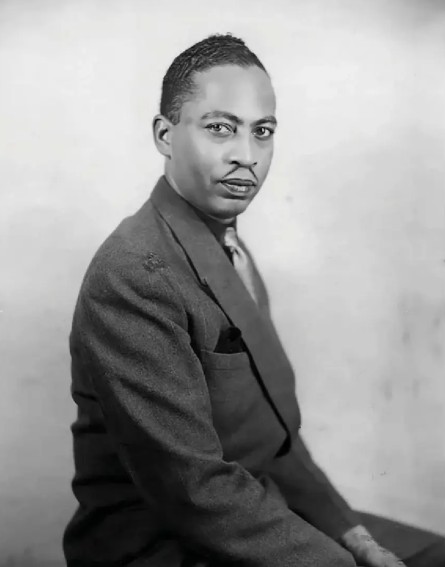
Paul Carew, who was for all her life “mummy and daddy”, went on to become a decorated Second World War hero and the “elegant, charming and charismatic crooner” who graced the drawing rooms of Europe’s wealthy.
Now 87, Jane is fulfilling a promise made decades ago to Paul, who died aged 76. Her pledge? To finally tell the story of their love, and to proudly reveal the entire beauty of a remarkable man who hid his queerness and his passion for women’s clothes from a world that wasn’t ready for him.
Seven years in the making, Not In This World is her novel, born out of the reality of their life together. Poignant, powerful and hopeful, it is co-written with Elaine Flowers, a Black author from Dallas, Texas, who says the book has been welcomed by the Black community for its authenticity and importance.
Channelling her inner-Paul to sport trendy thick-framed red spectacles and matching lipstick, and a jaunty, colourful jerkin, Jane, speaking from her home in Moray – close to Darnaway Castle, the seat of the Earls of Moray – told The Sunday Post: “As I wrote the book I had Paul in my ears.”
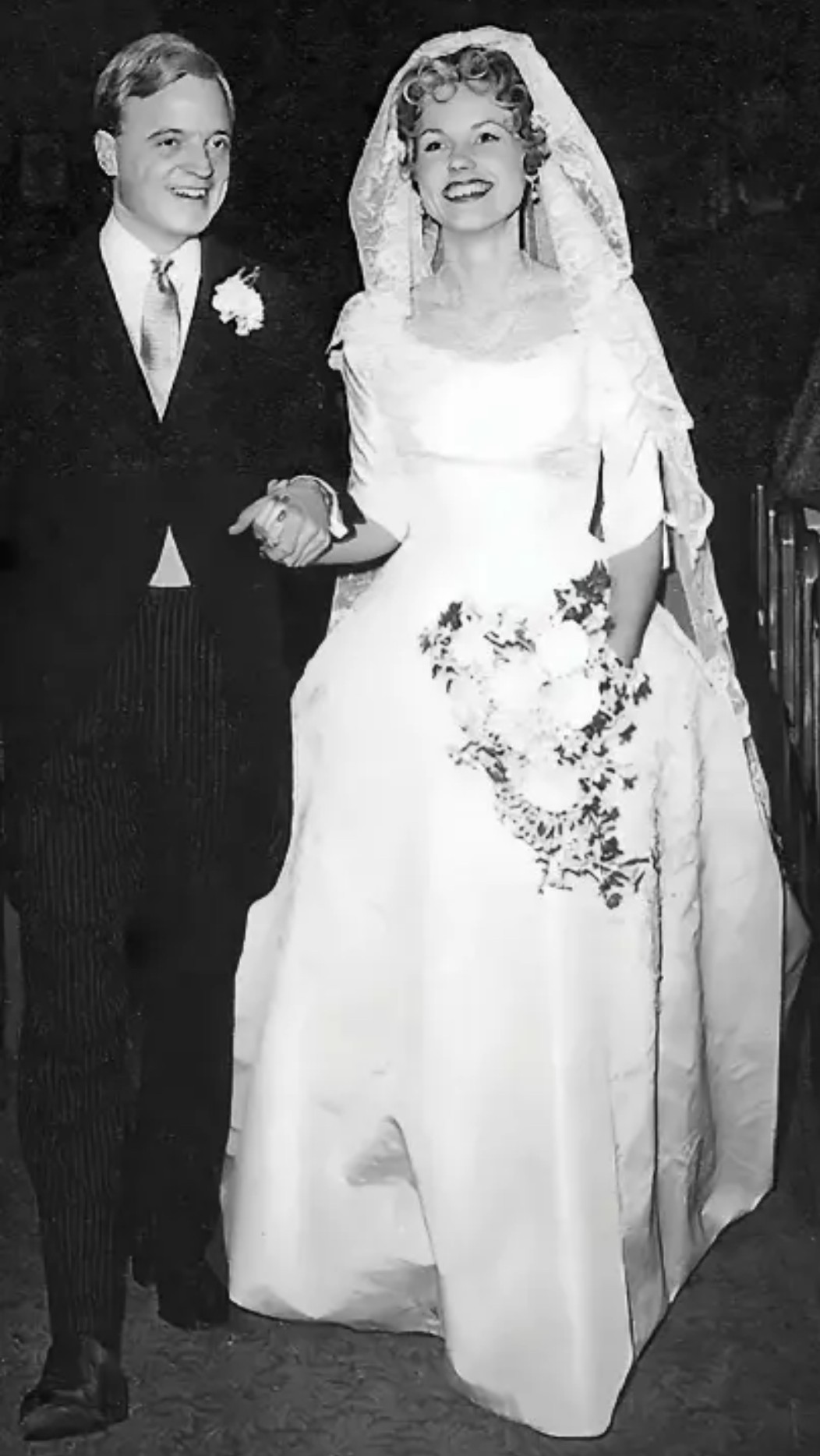
“He was everything to me. This is the person, just two days of my being on this planet, whose eyes held mine and I fixed on him. From then on, I couldn’t be where he wasn’t, I couldn’t sleep where he wasn’t, so his tales of his life as a child, his memories – like with all parents – became mine and this is what I wrote. And because he told me to tell the story, I felt validated doing it.”
The arrival of the book is timely as Black Americans criticised President Donald Trump’s controversial executive order “Restoring Truth and Sanity to American History”. Trump stands accused of rewriting Black history.
Recently, America’s Legal Defense Fund, an organisation fighting for racial justice, claimed in a statement: “The executive order echoes the same indoctrination schemes we have seen in some of the darkest chapters of human history. It bears chilling parallels to the tactics of Nazi Germany, where history and cultural institutions were manipulated to serve the fascist goals of that regime and advance a narrative of racial superiority.”
And Jane revealed that while she had the full support of her husband James, 92, a former publishing editor and director of the Pan Am airline, she met resistance to the novel elsewhere. The courageous grandmother revealed: “They said I couldn’t do it, that it would not work. I cried all night.”
But, determined not to give up, she contacted an agent who introduced her to Elaine Flowers. With her help, Jane decided to write the book as fiction, rather than memoir, with names changed to protect Paul’s surviving family.
Paul, she says, was born in “The Kingdom”, the poor, Black part of the town of Horse Cave, Kentucky, where his father was a Baptist preacher who worked on her grandfather’s tobacco farm.
“Paul’s father beat him near to death because of his ‘sissy-fied’ ways and because he caught him dressing up in his mother’s clothes.” Her grandfather sought medical help for the injured young man, and took him to live and work at the big house alongside his cook cousin, Lorene, where his culinary and floristry skills quickly manifested. “He was loved by them,” she said.
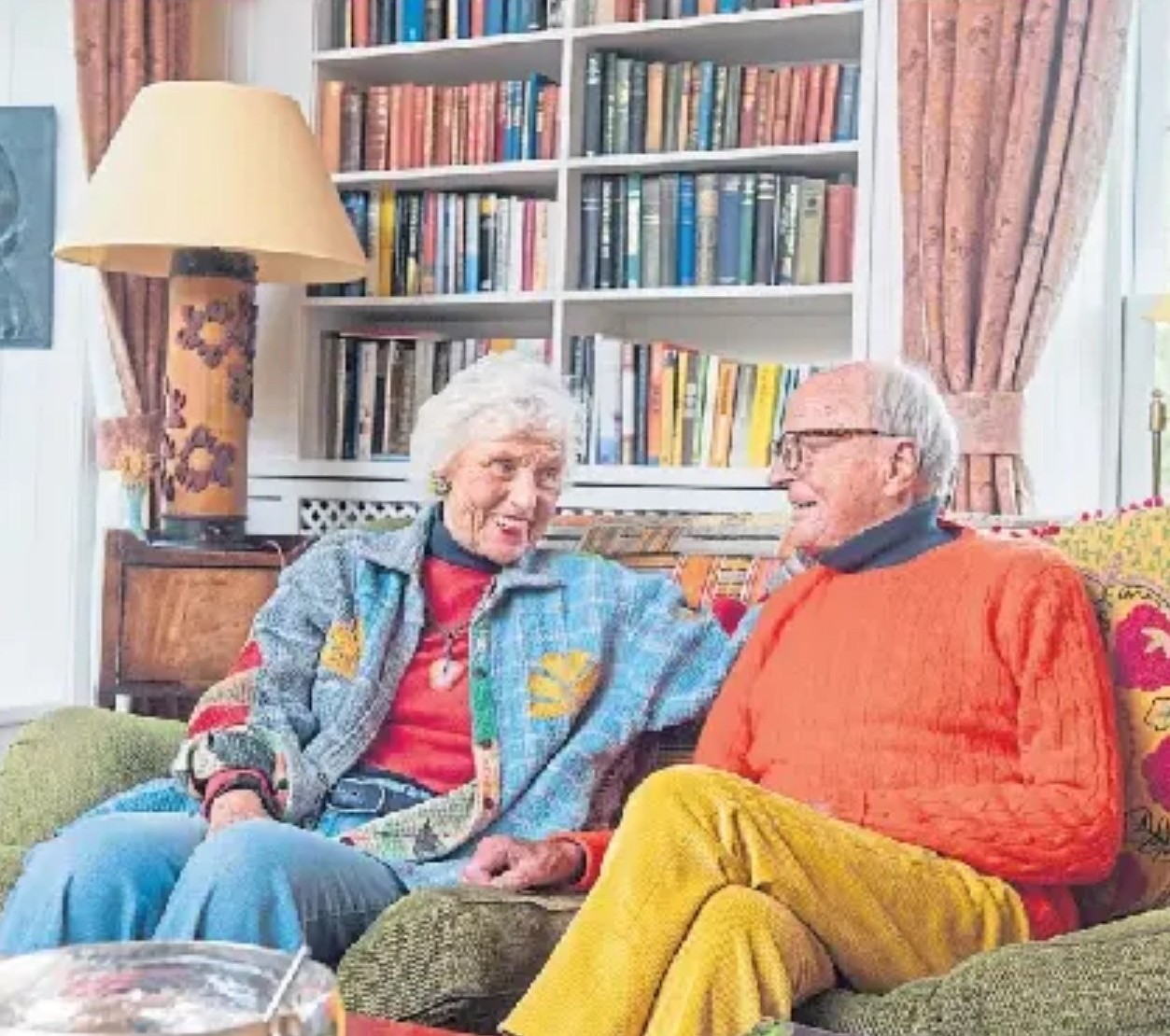
Meanwhile her mother, who was on a cruise in India, met her father, a British RAF officer. They married, and she became pregnant with Jane. With war looming, the couple came to Kentucky, Jane’s father leaving his pregnant wife there while he went to train in Ireland with other Spitfire pilots.
Jane said: “From the moment I arrived she did not want me. In the car going back from the hospital I was told I was handed to Paul like a swaddled Kentucky ham because I was screaming. I immediately stopped crying.”
“She told Paul he would be taking care of me, changing diapers and feeding me. His sassy cousin Lorene later told him – and this is the crux of the book – ‘You know what happens? They (white people) give you their babies, and you raise them and then they take them away.’”
“He said we fixed our eyes on each other and that was it, he was my mummy‑daddy. He was with me every day of his life at that point.”
“He later told me there was a moment when he started to feel the mama in himself, being queer. He said we fixed our eyes on each other and that was it, he was my mummy-daddy. He was with me every day of his life at that point.”
In the late 1930s, Jane moved with her mother and Paul to the Londonderry Estate – then part of what is now the Republic of Ireland – to be closer to her father. There Paul became a popular member of the local community, cutting a dash in the drawing rooms of Ireland, and admired by Lady Londonderry, who “flirted with the Nazis”.
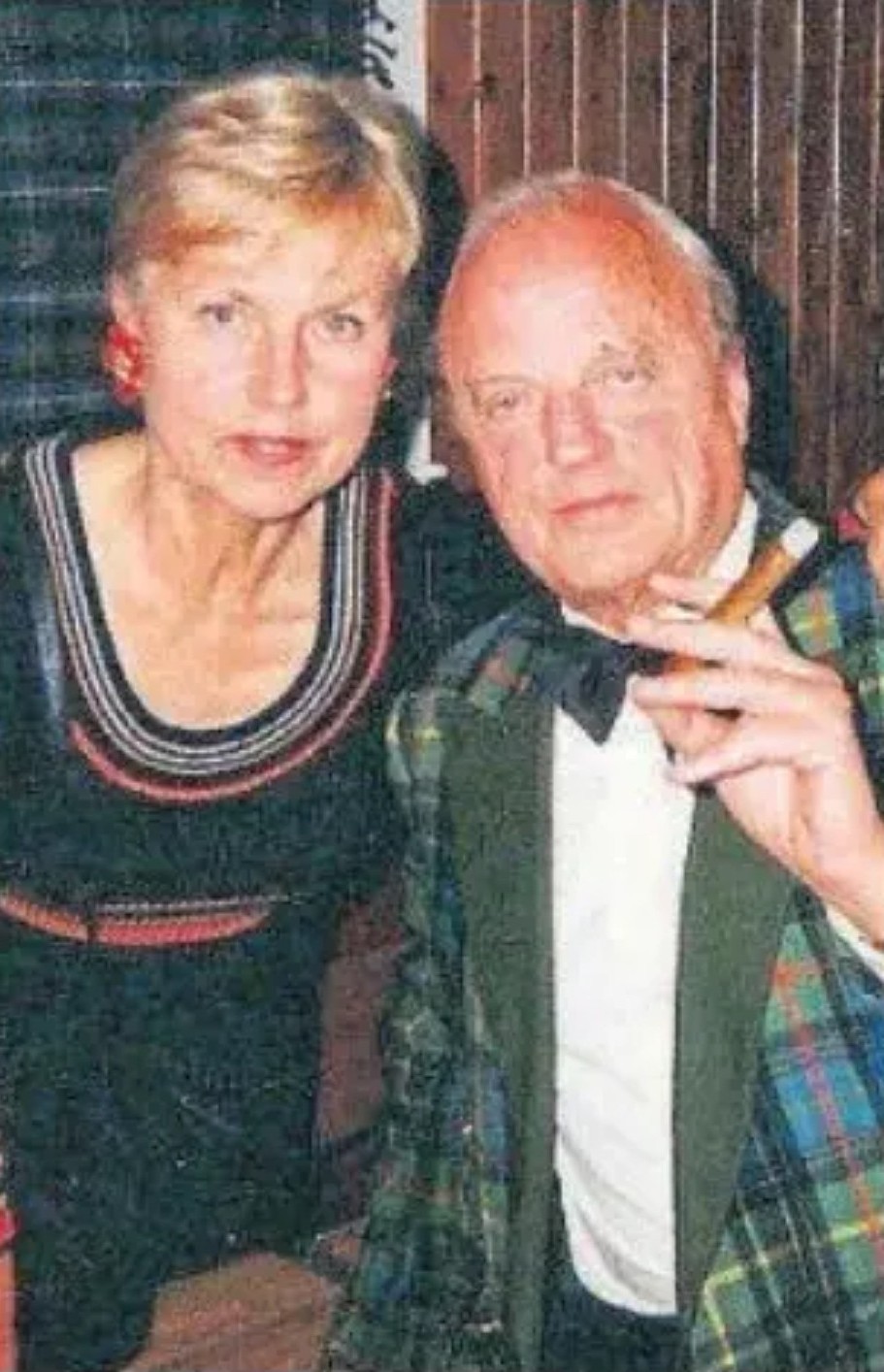
Paul later joined the RAF, where he excelled in training and became a batman, or orderly, to her father. He was beloved by her father and his comrades for his care of them, and he was decorated for bravery after risking his life to pull an airman from a burning cockpit.
But Jane revealed: “I couldn’t get over the trauma of Paul leaving to go to the war. I had four years of psychotherapy because of it.”
Left with her grandparents in Kentucky while her mother, who by then had a sick son, went to Florida to seek medical treatment, Jane remembers sneaking off at lunchtime to the Black side of town to show Paul’s family the postcards he had sent to her, before her towering, Stetson-toting grandfather came to drag her home screaming. It was her first real taste of racism on both sides.
Fighting emotion to relive the moment, she revealed: “Paul’s mother rose up and said: ‘You ought not to be here, this is going to be trouble.’ I just couldn’t understand it. They were scared.”
She recalled how later her grandfather said: “I wanna tell you something and you better learn it now; they have their lunch over there and we have ours over here, and we do not mix it up,” and how Lorene punished her, yelling: “You stay where you belong, and you don’t go there!”
She was almost seven by the time Paul returned from the war. In her pride she had wanted to walk with him wearing his RAF sergeant’s uniform and medals along the town’s main street. But she was instead to see the man who had been ready to lay down his life for others turned away because of the colour of his skin.
He later moved with Jane – who in adulthood became a qualified yoga teacher and drugs and alcohol counsellor – and her family to Sweden. He was proud when she graduated in French from McGill University in Montreal, Canada, where she met James, and was with her at her wedding there. And he was the first person she saw when she woke in hospital after the birth of her daughter, Elizabeth May.
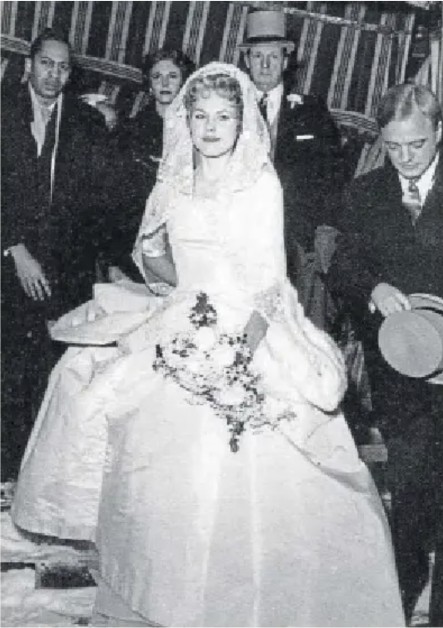
She remembers with joy the man who, glamorous in her grandmother’s discarded ball gown, secretly danced with her to their special tune: I’ve Got You Under My Skin.
And she reveals how years later she felt a compulsion to capture their relationship in what started out as a short story when her mother called to say he had died.
In tears, she said: “I was completely undone. I could not get over it. I will never get over it.”
Not In This World by Jane Scott Stuart with Elaine Flowers is published by BeforeYouPublish Book Press, out now.
This article was first published in The Sunday Post, Newcastle edition, Sunday 15 June 2025 (page 29), by Sally McDonald. © DC Thomson & Co. Ltd. All rights reserved. Reproduced on this page for press and publicity purposes only. Original article: sundaypost.com