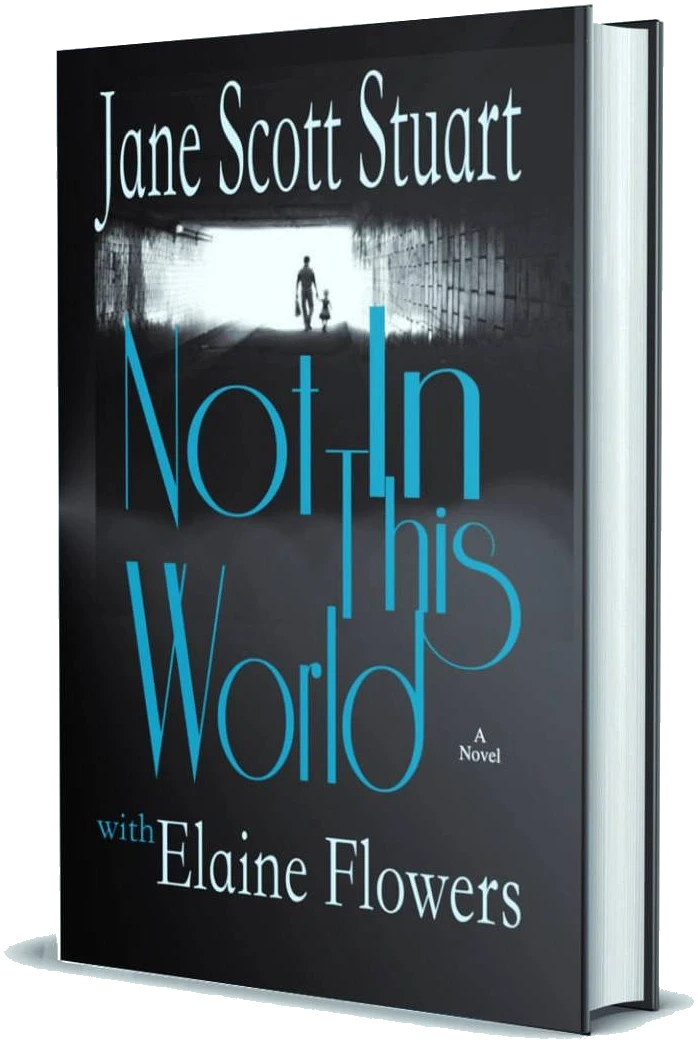
It is the fall of 1945. World War II is over.
On the sidewalk of Main Street in the small, segregated town of Horse Cave, Kentucky, you see a black man in the blue-grey uniform of Britain’s Royal Air Force.
On his sleeve are the hard-earned stripes of Sergeant Paul Carew.
The service medals on his chest include the vertically striped red, white, and blue award for gallantry.
His service cap is perched jauntily on his head.
He holds the hand of a little white girl with blonde curls.
Jane Gordon is seven. Paul Carew is twenty-three.
She skips.
They laugh.
People stare at them, white and coloured.
Paul stops and leans down.
“One day, babe, you’ll tell them our story.”
“Cross my heart and hope to die, I promise, Paw Paw.”
And so I did, seventy-five years later.
Who is Paul Carew?
Paul is a tall, young, handsome black man, born in the Kingdom, the black part of town across the railroad tracks of Horse Cave, Kentucky.
He is a cook, a gardener, a florist, a crooner, and a dancer.
Paul navigates his life as a nursemaid and a manservant in the rich household of Walter and Sally Jackson.
He is handsome, charming, brave, resilient, and capable.
Paul moves from the Kingdom and the kitchen of the Jacksons to the drawing rooms of Ireland and the aerodromes of Britain.
His passage from one world to the next is poignant.
At the centre of all this is his paternal relationship with Jane, a white child whom he virtually raises from birth.
Jane knows the great secret of his life.